I n the world of large engineering projects, mining and infrastructure, the word "blasting" often evokes awe or even concern.
However, for industry professionals, modern blasting methods are not a simple, uncontrolled explosion, but a process of high mechanical precision. The use of explosives today combines advanced digital technology with strict safety protocols, ensuring that each project is completed with the minimum possible environmental and social footprint.
In this guide, we will analyze how technological advancements transformed blasting into a "surgical" procedure and what factors determine the success of such an endeavor in modern times.
The evolution of explosives technology in engineering projects
In the past, blasting was based on empirical methods with significant margins of error in terms of rock breakage and material dispersion. Today, MINING and leading service providers internationally use digital design and simulation systems.
The introduction of electronic detonators was a turning point for the industry. Unlike traditional detonators, electronic systems allow for absolute control of the firing time with millisecond accuracy. This allows engineers to plan the sequential activation of the charges so that the energy is directed exactly where it is needed. The result is optimal rock fragmentation, which facilitates subsequent loading and processing, drastically reducing overall operating costs.
Impact control. Vibrations, shocks and shock wave
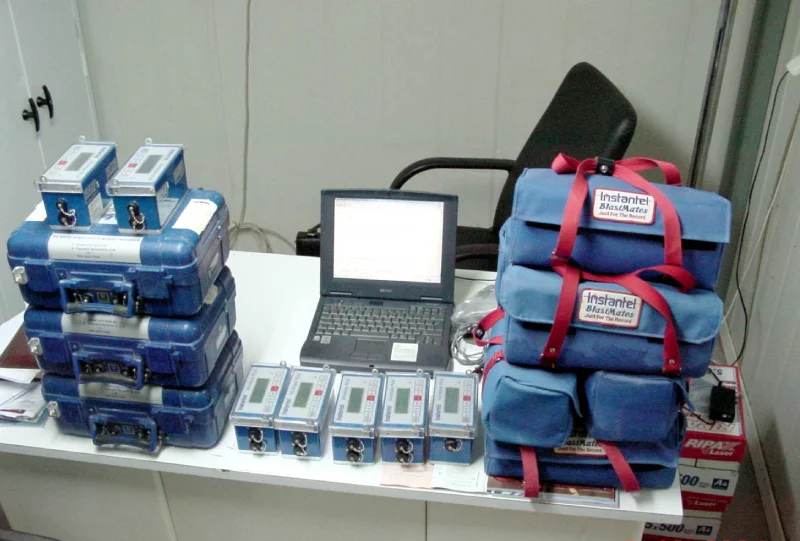
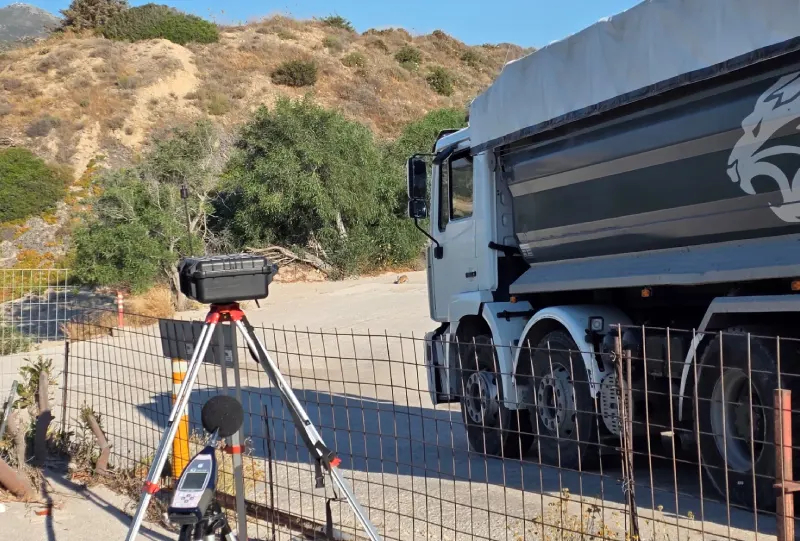
One of the most critical issues in projects carried out near residential areas, road networks or sensitive infrastructure (such as gas pipelines or dams) is the protection of the surrounding area. Modern technology provides the solution through vibrographic testing.
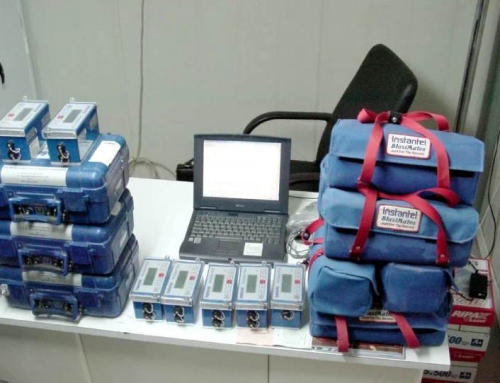
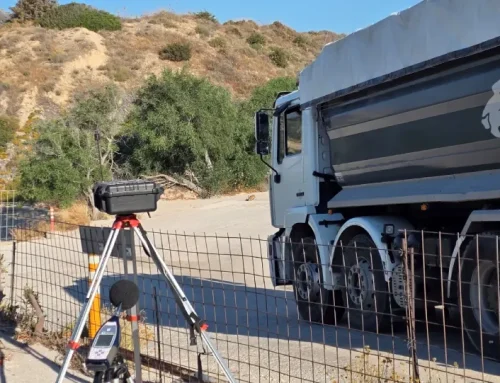
During a controlled blast, special highly sensitive seismographs are used, which are placed at strategic points to record:
-
Vibration Velocity (PPV – Peak Particle Velocity): The main indicator for assessing the risk of vibrations.
-
The Frequency of the Waves: Which determines how structural structures react to vibration.
-
Air Overpressure: The pressure created in the atmosphere by the explosion.
By using predictive models, the EXORIXI team can calculate the intensity of vibrations before the loading process even begins. This proactive approach ensures that vibrations remain consistently below the limits set by international legislation (such as the DIN 4150 standard), eliminating the risk of structural damage.
The Role of the Responsible Loader and the Importance of Specialization
Despite the evolution of machinery, the human factor remains the most important link in the safety chain. The charger in charge and the technical scientists do not simply oversee a process; they are the architects of a controlled release of energy.
The main responsibilities include:
-
Drilling Pattern Design: Determining the exact distance and depth of the holes.
-
Explosive Selection: Depending on the hardness and geology of the rock.
-
Safety Management: The control of exclusion zones and the observance of strict protocols before and after firing.
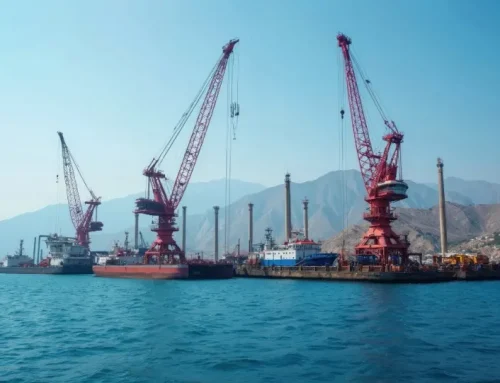
EXORIXI's experience in extreme environments, from deep quarries to underwater projects, allows the methodology to be adapted to the specific needs of each field.
Legislative framework and certifications
The use of explosives in Greece and internationally is governed by an extremely strict legal framework. Their supply, transportation, storage and use require special permits, certificates of suitability and ongoing documentation.
Compliance with international safety standards is not only a legal obligation, but also a commercial advantage. A company that operates with transparency and certifications offers the client peace of mind that the project will not face legal entanglements or production interruptions due to accidents.
Frequently Asked Questions (FAQ)
1. How is it ensured that a blast will not cause damage to nearby buildings?
Safety is ensured through vibrographic control. We use seismographs to measure the vibration velocity (PPV) and adjust the firing delays (micro-delays) so that vibrations remain well below the permissible safety limits.
2. What are the advantages of electronic detonators?
Electronic detonators offer millisecond precision, allowing for absolute control of the sequence of explosions. This results in better rock breakage, less vibration, and increased safety compared to traditional detonators.
3. What is controlled blasting?
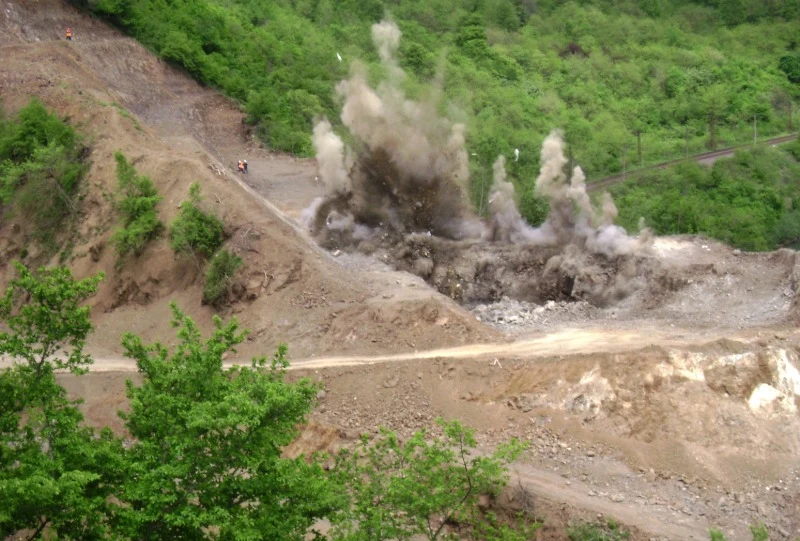
Controlled blasting is the scientific method of using explosives where the energy is precisely directed to detach rock, minimizing side effects such as vibration, noise and the ejection of fragments (flyrock).
4. What legislation governs blasting in Greece?
Blasting is governed by the Mining and Quarrying Regulations (KMLE), as well as strict instructions from the Greek Police and the European Union regarding the management and traceability of explosives.
Blasting as a tool for progress
Modern blasting methods are the foundation for the construction of highways, tunnels and major port infrastructures that are changing our world. At EXORIXI, based in Serres and operating worldwide, we believe that knowledge, expertise and technology can transform the power of explosives into a completely controlled and safe tool of creation.
See more about the demolition services we offer or contact us to analyze the needs of your project.
For more information about the operations of our company and our services , you can visit our services page and contact us to find the solution that best suits your needs.
Here you can see some projects undertaken and completed by our company.
Here you can see some videos of our company.